
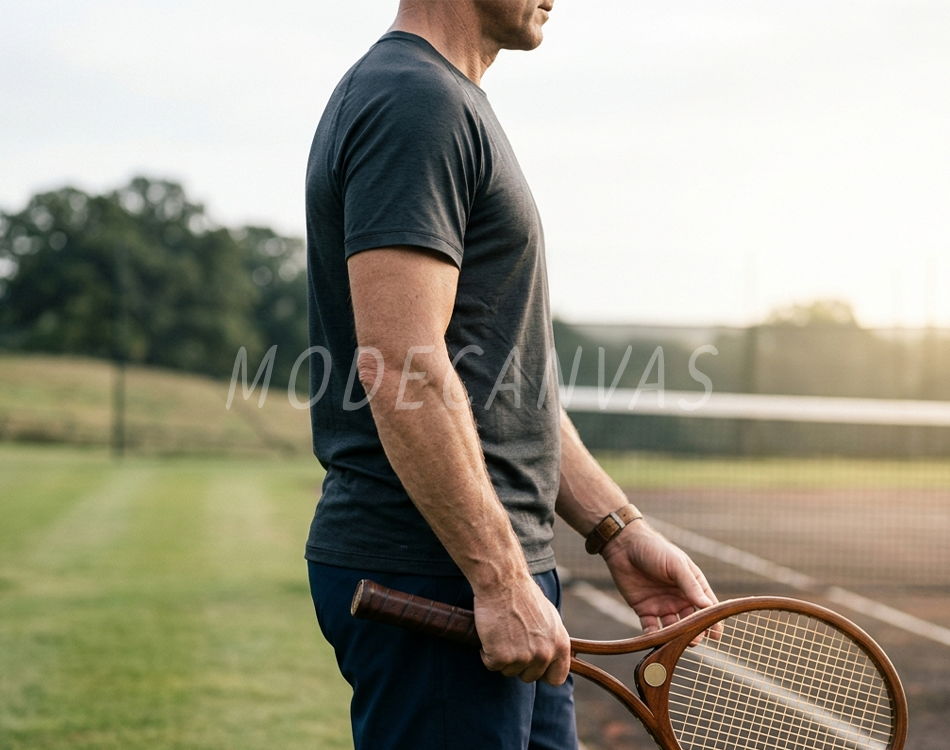
In our twenties, athletics are often defined by raw speed, high-impact competition, and a drive to dominate the field. But as a man enters his thirties and beyond, his relationship with sports undergoes a quiet, profound shift. It becomes less about chasing flashy statistics and more about maintaining mental resilience, fostering physical longevity, and finding a community of peers who value discipline. Engaging in sports at this stage in life isn't just a way to stay in shape; it is a vital outlet for stress, a grounding discipline, and a celebration of what the male body can achieve through consistent, smart effort.
1. The Strategy of Physical Longevity
Transitioning from reactionary play to intelligent movement is one of the distinct pleasures of mature athleticism. Whether you are stepping onto a tennis court, playing a round of golf, or joining a local weekend league, brute force takes a backseat to strategy, tactical positioning, and efficiency. You learn to listen to your body, prioritizing dynamic warm-ups, core stability, and proper technique over reckless exertion. This shift transforms physical activity from a potential hazard into a sustainable lifestyle, where the goal is to play hard, avoid injury, and return to the field week after week.
2. The Mental Reset of Focused Competition
The modern workplace demands constant cognitive focus, long hours in front of screens, and a perpetual stream of decisions. Engaging in a structured sport forces an immediate, total shift in attention. When you are tracking a fast-moving ball, coordinating a play with teammates, or adjusting your posture for a precise movement, there is no mental room left to worry about pending emails or quarter-end metrics. This high-engagement focus acts as a powerful mental reset, clearing the cognitive slate and replacing daily tension with the clean, honest fatigue of physical exertion.
3. The Unfiltered Brotherhood of the Game
As responsibilities grow, maintaining genuine, low-friction male friendships can become increasingly challenging. Sports offer a natural, pressure-free framework for camaraderie. The shared effort, the banter on the sidelines, and the mutual respect forged through competition create a bond that doesn't rely on formal catching up or deep emotional discussions. Sitting together after a hard-fought match, sharing an iced drink, and breaking down the key plays of the day offers a simple, timeless sense of brotherhood that keeps a man connected to his community.